How Smart Devices Are Becoming Part of Modern Homes
Administrator
Author
Technology continues changing how people interact with their homes. In previous decades, many household devices performed only one function and required manual operation. Today, homes are becoming more connected as smart devices gradually become integrated into everyday routines.
Smart devices are products connected through digital systems that allow users to automate tasks, improve convenience, and create more efficient living environments. These devices can include lighting systems, speakers, security tools, appliances, and various forms of home technology.
As internet-connected technology becomes increasingly accessible, smart homes are no longer viewed as futuristic concepts. Instead, they are becoming part of normal daily life in many households around the world.
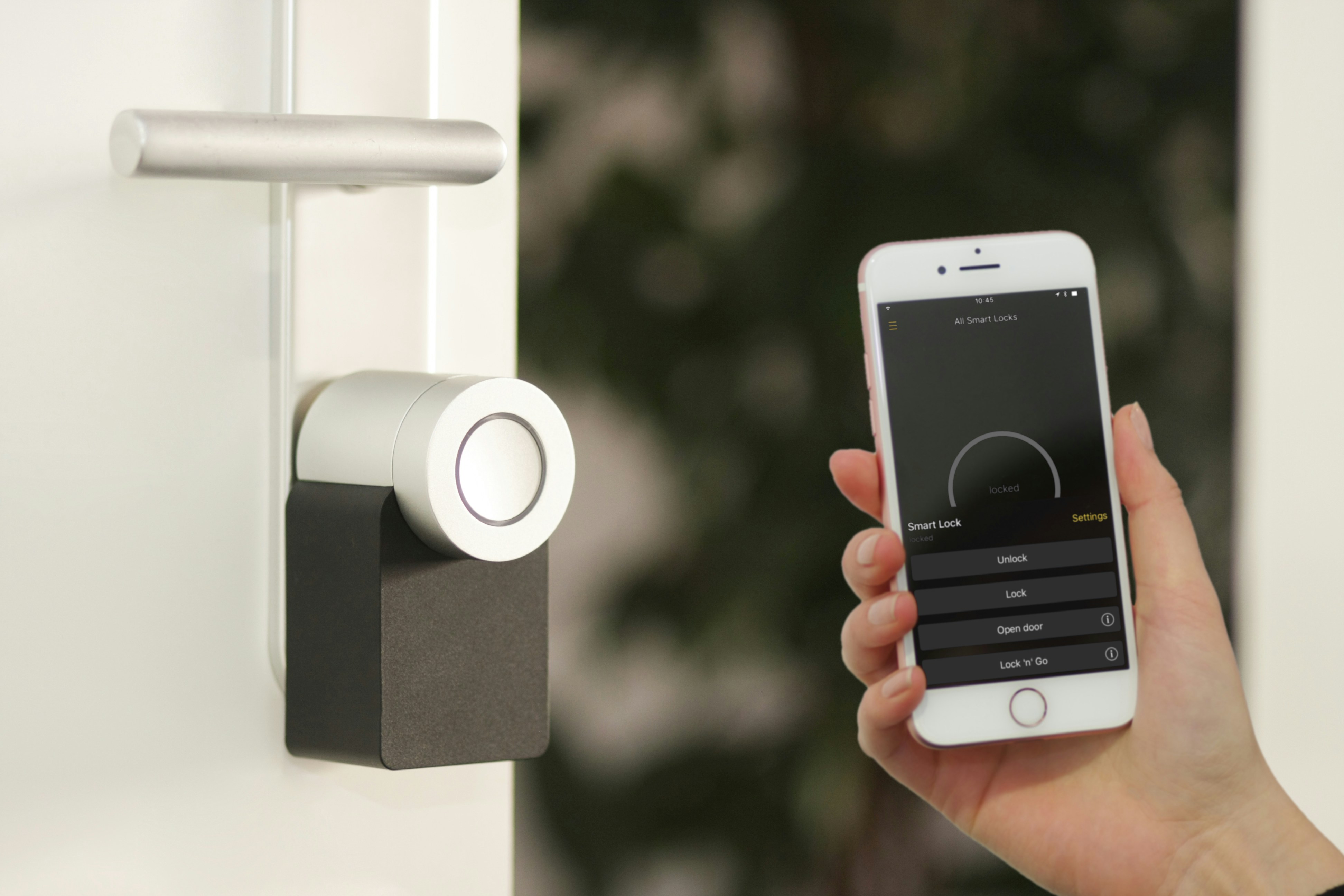
Understanding Smart Home Technology
Smart home technology refers to connected devices that communicate through internet-based systems or wireless networks. Instead of operating independently, many of these tools work together to create smoother daily experiences.
Users can often manage settings through smartphones, voice commands, or automation features. This creates flexibility that allows homes to adapt to personal preferences and routines.
Rather than replacing traditional living spaces, smart technology aims to make existing routines more convenient and efficient.
Convenience in Everyday Activities
Convenience remains one of the biggest reasons smart devices continue growing in popularity. Daily tasks often involve repeated actions that can become easier through automation.
Simple routines such as adjusting lighting, checking weather information, setting reminders, or controlling entertainment systems can become faster and more efficient.
Even small improvements may save time and reduce effort over long periods.
The Growing Role of Voice Technology
Voice-based interaction has become an important part of modern smart homes. Instead of manually pressing buttons or navigating applications, users can often speak simple commands.
Voice technology creates hands-free convenience that fits naturally into daily activities. People can request information, control connected devices, or manage schedules while performing other tasks.
This type of interaction can make technology feel more accessible and easier to use.
Smart Devices and Home Security
Home security has also benefited from connected technology. Smart systems may provide alerts, monitoring features, or remote access capabilities.
People often appreciate being able to check household activity or receive updates while away from home. Digital monitoring creates greater awareness and convenience.
While traditional security methods remain important, connected tools provide additional options that support modern lifestyles.
Entertainment Experiences Continue Changing
Entertainment technology has changed significantly in connected homes. Streaming devices, wireless speakers, and synchronized systems create more flexible experiences.
People can access content from multiple devices and customize environments according to personal preferences.
As technology evolves, entertainment increasingly becomes integrated into broader digital ecosystems.
Energy Awareness and Smart Living
Many smart devices include features designed to help monitor usage patterns and improve efficiency. Awareness of household activity can encourage more thoughtful habits.
Automation systems may help users create schedules that better match daily routines. Technology that adapts to behavior often creates smoother experiences over time.
Small improvements in efficiency can contribute to more comfortable living environments.
Balancing Technology and Simplicity
As more devices enter homes, simplicity remains important. Too many connected systems may create unnecessary complexity if they are not organized carefully.
People often benefit most from technology that supports daily life without becoming distracting. Choosing tools based on practical needs usually creates better experiences.
Technology works best when it quietly improves routines rather than demanding constant attention.
Final Thoughts
Smart devices continue becoming part of everyday homes because they offer convenience, flexibility, and improved digital experiences. What once seemed futuristic has gradually become normal in many households.
As technology continues evolving, connected living spaces will likely become even more common. The goal remains simple: creating environments that help people manage daily life more smoothly and comfortably.